🚨 2025 Phishing Threat Trends Report: AI, Ransomware & Hiring Exploit by Knowbe4

2025 Phishing Threat Trends Report 🚨 2025 Phishing Threat Trends Report: AI, Ransomware & Hiring Exploits By Admin | Sourced from KnowBe4 Threat Intelligence – March 2025 📈 17.3% rise in phishing emails in just six months 🔐 57.9% of phishing attacks used compromised accounts 🤖 82.6% of phishing emails were powered by AI 1. AI-Powered Polymorphic Phishing Attackers now use AI to create near-unique phishing messages that evade filters. These emails alter sender names, metadata, subjects, and logos to trick both systems and humans. Month (2024) % Emails with Polymorphic Features March 42.2% July 56.8% October 65.5% December 74.3% 2. Ransomware Surge via Obfuscated Payloads Ransomware-as-a-service and HTML smuggling lead to more encrypted payloads slipping past detection. Obfuscation Method Impact ...
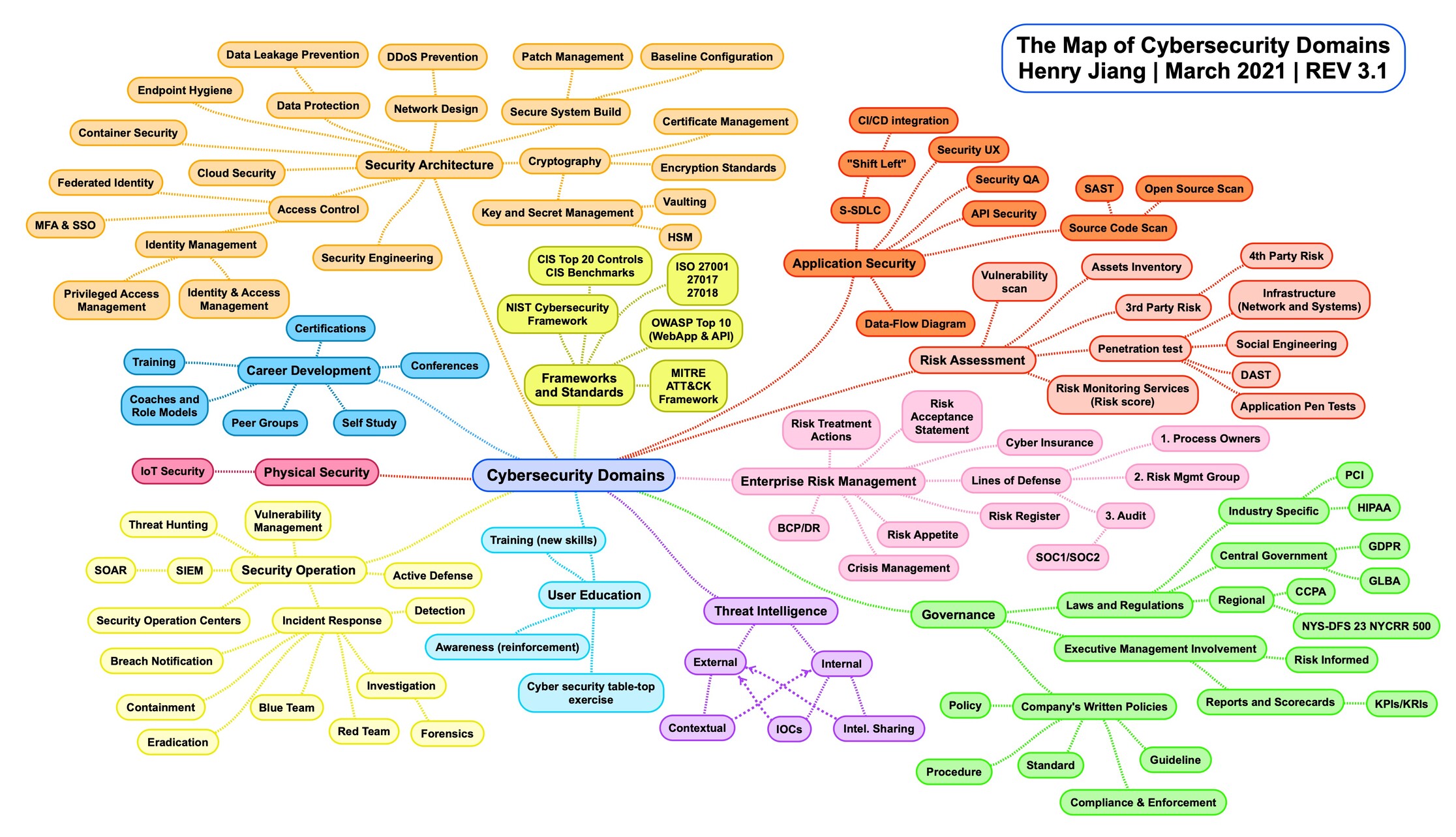

The Cybersecurity Domain Map v3.1 provides a useful overview of the diverse disciplines involved in protecting modern digital environments. Areas such as governance and compliance, risk management, security architecture, and application security demonstrate how effective cybersecurity requires coordinated technical controls, organizational policies, and risk-based decision-making. Understanding these interconnected domains helps students and professionals identify specialized career paths and develop a more comprehensive approach to security challenges.
ReplyDeleteStudents exploring practical security implementations can benefit from Information Security Projects, which offer opportunities to investigate data protection, access control, vulnerability assessment, and other important information security concepts.
Application security and network defense are equally important components of a comprehensive cybersecurity strategy. Working on Cyber Security Projects for Final Year can help learners apply security principles through practical implementations involving threat detection, secure application design, and risk mitigation.
ReplyDelete