🚨 2025 Phishing Threat Trends Report: AI, Ransomware & Hiring Exploit by Knowbe4

2025 Phishing Threat Trends Report 🚨 2025 Phishing Threat Trends Report: AI, Ransomware & Hiring Exploits By Admin | Sourced from KnowBe4 Threat Intelligence – March 2025 📈 17.3% rise in phishing emails in just six months 🔐 57.9% of phishing attacks used compromised accounts 🤖 82.6% of phishing emails were powered by AI 1. AI-Powered Polymorphic Phishing Attackers now use AI to create near-unique phishing messages that evade filters. These emails alter sender names, metadata, subjects, and logos to trick both systems and humans. Month (2024) % Emails with Polymorphic Features March 42.2% July 56.8% October 65.5% December 74.3% 2. Ransomware Surge via Obfuscated Payloads Ransomware-as-a-service and HTML smuggling lead to more encrypted payloads slipping past detection. Obfuscation Method Impact ...

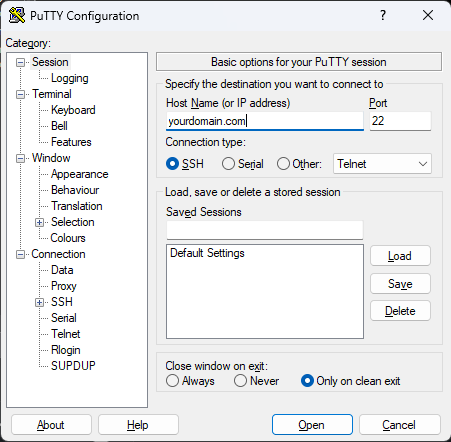
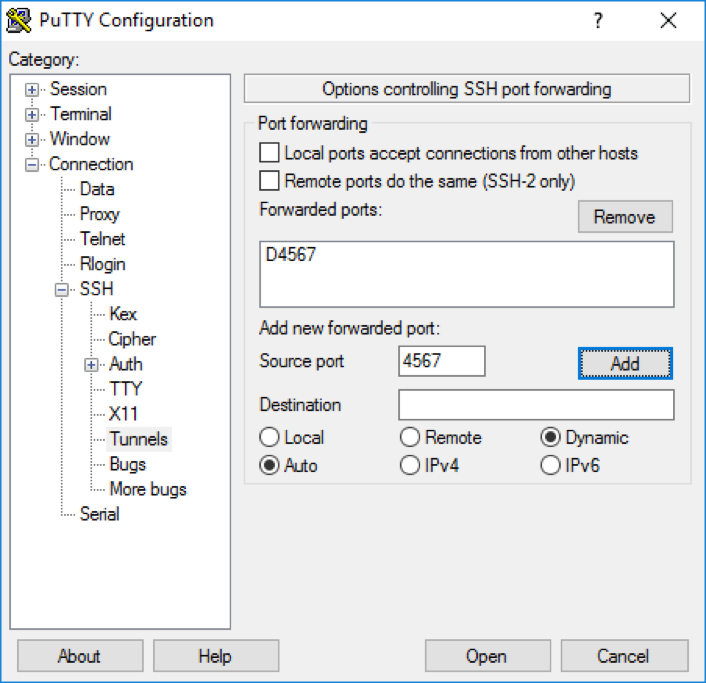
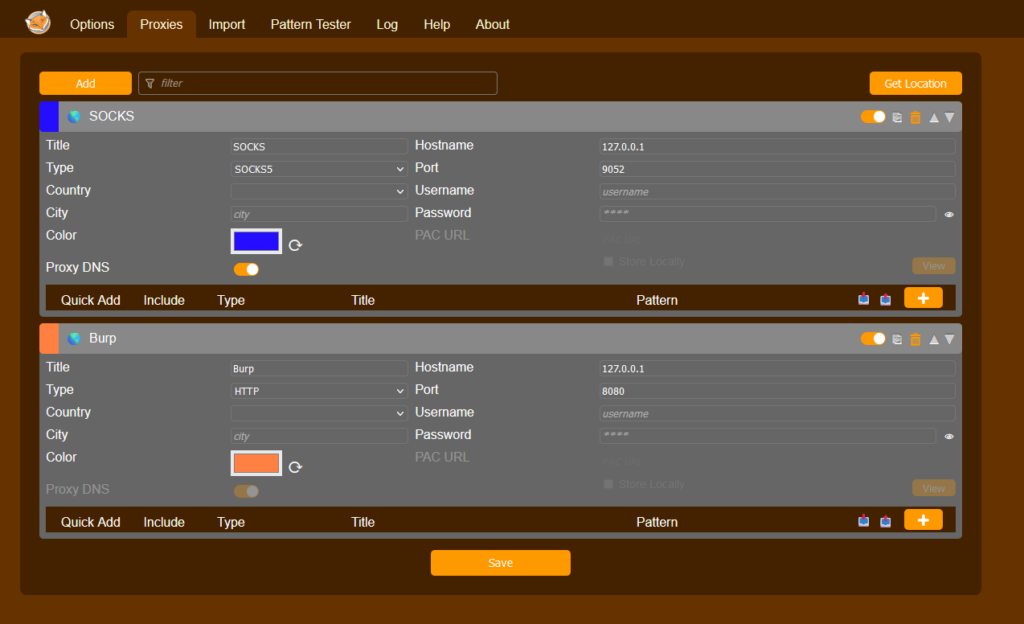


The SSH tunneling technique described in this article highlights an important challenge in enterprise security: endpoint and cloud application controls can become less effective when network traffic is routed through unmonitored channels. Organizations should complement Microsoft Defender Cloud Apps policies with endpoint monitoring, network traffic analysis, application control, and alerts for unauthorized proxy configurations. Understanding these potential gaps helps security teams strengthen defense-in-depth strategies and identify suspicious tunneling activity before it leads to data exposure.
ReplyDeleteStudents interested in investigating enterprise security controls can explore Information Security Projects for Final Year to study access control, security monitoring, policy enforcement, and defensive techniques for protecting organizational resources.
Practical cybersecurity research can also focus on detecting unauthorized tunnels, identifying suspicious proxy usage, and evaluating the effectiveness of network protection mechanisms in controlled lab environments. Working on Cyber Security Projects for Final Year can help learners understand how security teams detect control evasion and develop stronger monitoring and incident-response strategies.
ReplyDelete